TL;DR
- USDA reopened the Douglas, Arizona port to Mexican cattle on August 24, 2026, under enhanced New World Screwworm (NWS) safeguards.
- The same day, Texas ordered that any Mexican-origin cattle entering the state through another state must carry an official RFID tag, an electronic Certificate of Veterinary Inspection (eCVI), and an entry permit.
- APHIS lifted New Mexico's only NWS-infested zone on August 30, removing the domestic movement restrictions tied to it.
- Receiving is turning into a documentation exercise: origin, RFID, health records, inspection history, and every subsequent move now need to travel with the animal — not just get logged at arrival.
- Individual animal tracking tied to an electronic ID is what makes that possible, and it's exactly what Cattler is built around.
What changed at the border
On August 24, 2026, USDA reopened the port of Douglas, Arizona, to cattle imports from Mexico, under enhanced New World Screwworm safeguards designed to keep the pest from re-establishing itself in U.S. herds. It's a limited reopening — Santa Teresa and Columbus, New Mexico, remain pending, and every other southern border port stays closed to live cattle for now.
Texas moved in step. The same day, the Texas Animal Health Commission issued an emergency order requiring that Mexican-origin cattle entering Texas through another state carry three things: an official RFID tag, an electronic Certificate of Veterinary Inspection, and an entry permit. In other words, the animal's identity, its health documentation, and its authorization to move all have to be verifiable electronically before it crosses into Texas.
Six days later, APHIS released New Mexico's only screwworm-infested zone — established after a June 7 detection in a dog — clearing the domestic movement restrictions that had applied there. It's a sign the response is working in that pocket of the state, even as the border stays cautious everywhere else.
Why this is a documentation problem now, not just a health one
None of this is really new for anyone who has managed cattle imports before. What's new is the shift from "record that the load arrived" to "prove where every animal came from, what was done to it, and where it's going next" — and be ready to show that on demand, electronically, not from a paper folder in the office.
Individual RFID identification, an eCVI, and an entry permit are three different documents, from three different systems, that all have to point back to the same animal. A feedyard that can only tell you the group a load arrived in — not which specific animal carries which tag, which certificate, and which permit — is going to spend a lot more time at receiving than one that can.
Individual tracking as the foundation, not an add-on
This is the part of the operation Cattler is built around: every animal gets its own record from the moment it's scanned in, not just a lot or pen assignment.
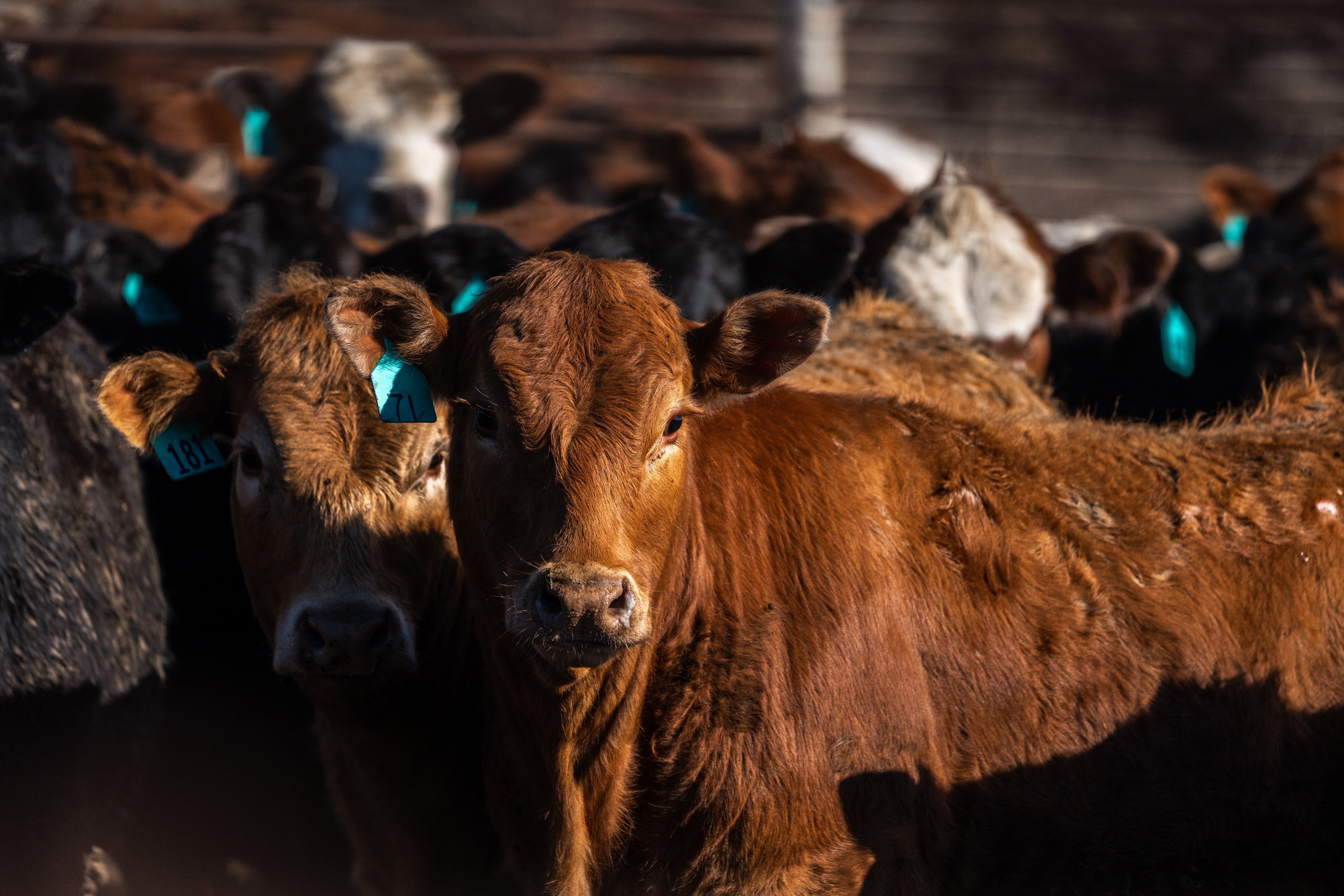
At intake or at the chute, a handheld or Bluetooth RFID reader captures the electronic ear tag and Cattler ties that tag number directly to the animal's individual record — origin, weight, health treatments, and now the documents that increasingly travel with Mexican-origin cattle: the eCVI, the entry permit, and the inspection history behind them. Instead of a receiving crew cross-referencing a paper manifest against a physical tag, the tag is the link between the animal and everything attached to it.
That matters because compliance requirements like Texas's don't stop at the gate. An animal that enters compliant needs to stay traceable through every pen move, treatment, and eventual shipment — because the next state, the next buyer, or the next inspection may ask for that same chain of custody. Individual tracking that starts at receiving and follows the animal through the yard is what keeps that chain intact, instead of resetting every time the animal changes hands.
Traceability that travels with the animal
The practical difference shows up at the moments that used to cause the most friction:
At receiving, a scanned RFID tag pulls up — or lets a crew attach — the animal's origin and inspection documentation in seconds, rather than requiring someone to match a physical tag number against a stack of certificates by hand.
Through the feeding period, every health event, movement, and pen change stays logged against that same individual ID, so the animal's record grows instead of fragmenting across spreadsheets or paper logs.
At shipment or resale, a feedyard can produce a full, auditable history for a specific animal — not just "which lot it was part of" — which is precisely what a compliance-driven buyer, or a state inspector, is going to ask for.
That's the differentiator the current border situation is starting to reward: not just following the rules, but being able to prove it, quickly, animal by animal.
What to watch next
A few things worth tracking as this develops:
- Whether Santa Teresa and Columbus, New Mexico, follow Douglas into reopening, and under what conditions.
- Whether Texas's order changes as more ports come online or as case counts shift.
- Whether neighboring states adopt similar RFID and electronic-documentation requirements for Mexican-origin cattle, which would extend this beyond Texas.
Feedyards outside Texas aren't necessarily exempt from paying attention here, either — cattle that arrive elsewhere today can still end up moving into Texas later, and the documentation trail needs to hold up whenever that happens.
FAQ
What does Texas now require for Mexican-origin cattle entering through another state? An official RFID tag, an electronic Certificate of Veterinary Inspection (eCVI), and an entry permit, effective August 24, 2026.
Why does individual RFID tracking matter for screwworm-related compliance? Because the requirements — RFID identity, health documentation, movement authorization — are tied to a single animal, not a lot. Individual tracking is what lets a feedyard connect those documents to the right animal and keep that link intact through every later move.
Does Cattler support electronic ID (RFID) tags? Yes — Cattler is built around individual animal records from intake, with RFID scanning at receiving and the chute used to tie each animal's identity to its health, origin, and documentation history.
Is Douglas, Arizona the only reopened port for Mexican cattle? As of this writing, yes — see USDA's current port status. Santa Teresa and Columbus, New Mexico remain pending, and all other southern border ports are closed to live cattle imports.
What changed in New Mexico on August 30? APHIS released the state's only New World Screwworm-infested zone, removing the domestic movement restrictions that had applied to livestock and pets in that area since June.
.png?width=600&height=70&name=Untitled-8%20(5).png)